


Making Accessibility Part of School WASH Planning
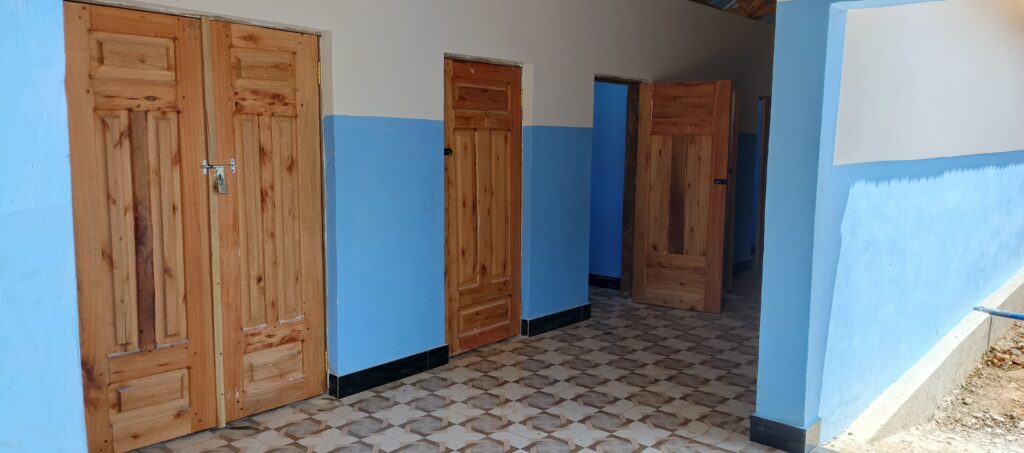
A toilet with special room for PWD
Accessibility gaps identified during the project highlighted the need to consider children with disabilities when planning school sanitation improvements.
A sanitation facility can be present at a school and still be difficult for some children to use. During the Behaviour Change for Health collaboration, this concern emerged as an important issue for future improvement.
Greentech implementation identified toilet blocks in two schools that were not accessible to children with disabilities. The wider reports also recognised accessibility as one of the gaps encountered while assessing school water, sanitation and hygiene facilities.
The finding broadened the discussion about what a functioning school facility needs to provide. Assessments had to consider children’s ability to use facilities, alongside their physical condition and the availability of water.
Greentech Hub, documented these gaps as areas requiring longer-term attention. These findings provide a basis for considering accessibility in future renovations and school WASH planning.
This learning belongs alongside the collaboration’s work on privacy for girls, maintenance arrangements, and teacher support. Each points to a different need that must be considered when schools plan improvements.
For future school WASH programmes, the project offers a clear lesson: inclusion needs attention from the assessment stage. Listening to users and examining who can actually use a facility can help schools identify barriers that might otherwise remain overlooked.