


Building Healthier School Communities in Njombe and Iringa
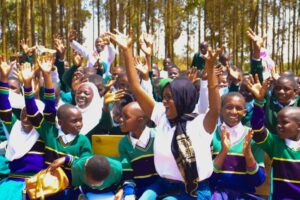
MHM training at Nyigo school
Through practical hygiene education and improvements to school facilities, Greentech Hub and MSABI helped schools put healthier habits into practice.
A lesson on hygiene becomes more useful when a child has somewhere to wash their hands, a teacher who can offer guidance, and classmates who encourage good habits. Bringing these elements together was central to Behaviour Change for Health (BC4H), a project implemented by Greentech Hub ( formerly the Tanzania Association of Environmental Engineers (TAEEs)), in collaboration with MSABI.
In Njombe and Iringa, the project combined school hygiene assessments with practical education on handwashing, sanitation, and menstrual health. Teams worked with learners, teachers, school administrators, and communities to understand the barriers schools faced and support improvements that could become part of everyday life.
Handwashing facilities were installed or improved at Itandula Secondary School, Nyigo Primary School, and Itulilo Primary School. Toilet facilities were assessed, and maintenance arrangements were developed with school administrators. Posters, brochures, and other learning materials helped reinforce hygiene messages beyond individual training sessions.
The work formed part of a wider collaboration that also included MSABI activities in Morogoro. Across the collaboration, project reports recorded more than 4,800 schoolchildren reached with water, sanitation and hygiene education, including menstrual health learning. Six School Health Clubs gave pupils opportunities to learn from one another and take an active role in promoting hygiene.
Supported by the +1 Global Fund, the partnership also invested in the people responsible for keeping school facilities working. Training for teachers and school committee members connected practical improvements with local responsibility.
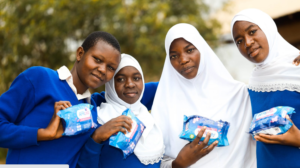
The experience highlighted a clear lesson: healthier school routines depend on knowledge, usable facilities, and continued support from the school community. Behaviour Change for Health brought these needs together, helping participating schools build a stronger foundation for everyday hygiene.